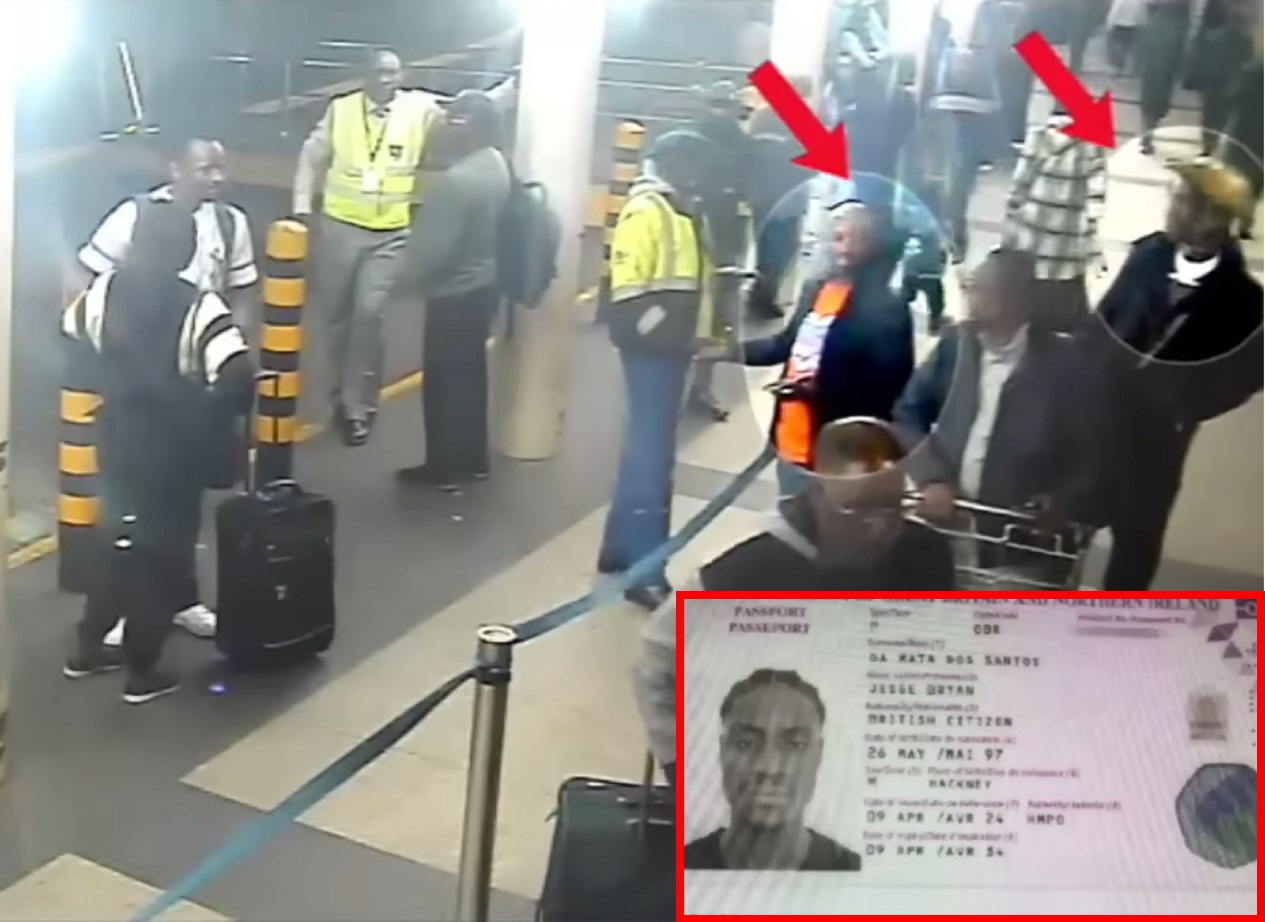
In a high-stakes transnational drug bust, Jesse Bryan Da Mata Dos Santos, a British national, was arrested in London in May 2025 after being found with 20 kg of cocaine hidden in his luggage. This arrest is not just a personal downfall — it marks a breakthrough in dismantling a sophisticated cocaine trafficking network that reportedly uses Jomo Kenyatta International Airport (JKIA) in Nairobi as a key transit hub.
Surveillance, Strategy & Arrest
Kenyan detectives say they had been tracking Dos Santos since late 2024. According to reports, his movements around Nairobi raised red flags: authorities observed him near JKIA’s cargo terminal, staying in hotels around Machakos County (Mlolongo), and later moving to affluent neighborhoods such as Kilimani. T
Interestingly, Kenyan security chose not to arrest him immediately, even when evidence was strong. Sources say this was a calculated decision: allowing him to fly to the UK was part of a strategy to break a larger network, not just prosecute the courier.
The Network Exposed
The investigation has already led to arrests in Kenya. Between October 5 and 7, 2025, the Transnational Organized Crime Unit (TOCU) arrested four suspects linked to Dos Santos’s network. Key among them is Rishad Abdulrahim Sheikh, allegedly the syndicate head, and Muamar Mutua Mohammed, identified as a logistics coordinator using JKIA.
During the raids, law enforcement recovered 750 grams of cocaine, packaging materials, and multiple mobile phones believed to be used to coordinate trafficking operations.
Inside the Intelligence Play
Investigative sources say the operation was deeply coordinated. A striking detail: an undercover female officer reportedly posed as a call girl to gather critical intelligence on Dos Santos and his network in Nairobi.
This intelligence-sharing involved Kenyan anti-narcotics units working closely with British agencies, underscoring how cross-border collaboration helped bring Dos Santos down.
Airport Vulnerabilities & Public Concern
The case also shines a spotlight on security gaps at JKIA. A widely read investigative piece describes how cocaine shipments have allegedly moved through JKIA, using clever concealment, possibly exploiting airport staff or infrastructure.
Questions are now being raised about internal complicity: whether insiders at the airport are helping traffickers navigate checks, and how cargo areas could serve as weak points in Kenya’s narcotics control architecture.
Legal and Diplomatic Dimensions
Dos Santos remains in custody in the UK, awaiting trial. Kenyan authorities have initiated legal assistance and are working to secure evidence — especially digital data — that may be domiciled in Britain.
Back in Kenya, the four suspects arrested at JKIA were arraigned and given a 13-day detention order to allow for further investigations.
Why This Case Matters
-
Transnational Scope: The Dos Santos case illustrates how international cocaine trafficking syndicates exploit both Kenya’s geographic position and its airport infrastructure.
-
Law Enforcement Strategy: Rather than detaining Dos Santos in Kenya immediately, authorities opted for a strategy that would maximize prosecutorial leverage — even if it meant letting him out of the country first.
-
Security Risks: The operation raises red flags about JKIA’s vulnerability to high-level smuggling, increasing calls for tighter oversight and reforms.
-
Cooperation Success: The case is a testament to international cooperation — Kenyan and British agencies working hand in hand to dismantle a network rather than just arresting couriers.
Related Drug Trafficking Cases in Kenya
To put this case in perspective, Kenya has had several major drug-related incidents in recent years:
-
Four Suspects Arrested at JKIA (Oct 2025): Linked to the Dos Santos network, this group allegedly coordinated drug movements via JKIA.
-
2018–2025 Airport and Border Cases: According to the DCI’s internal magazine, past seizures included cannabis, cocaine, and synthetic drugs using hidden compartments in trucks.
-
Recent Cannabis Bust at JKIA (July 2025): A suspect abandoned two suitcases containing over 41 kg of cannabis after allegedly being stopped at the airport.
Conclusion
The arrest of Jesse Bryan Da Mata Dos Santos is more than a headline — it’s a window into the evolving nature of drug trafficking networks operating through Kenya. As authorities continue to untangle the web, what’s clear is this: cracking such syndicates demands patience, precision, and cross-border cooperation.
With more arrests being made and investigations deepening, Kenya’s anti-narcotics agencies are sending a strong message: the golden age of easy transit for drugs through its borders is under serious challenge.



No comments yet — be the first to join the discussion!