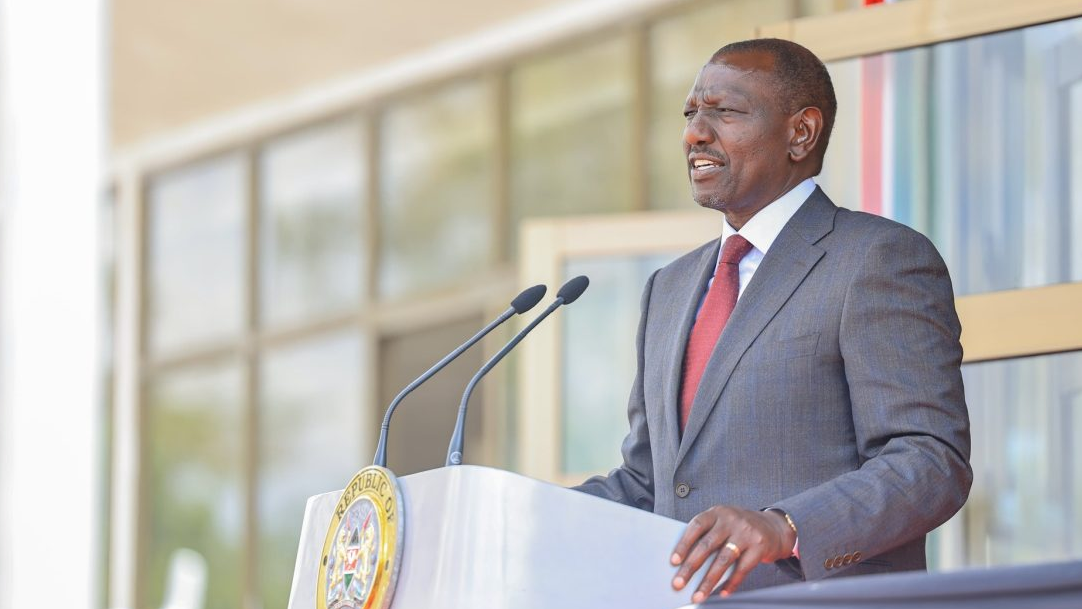
Nairobi, Kenya — The government of Kenya has successfully avoided a sovereign default, even as mounting public debt and structural fiscal pressures raise concerns among economists and analysts over the country’s long-term economic sustainability.
Sovereign Default — A Crisis Averted
In August 2025, the Finance Ministry confirmed that Kenya had not defaulted on its sovereign debt — news welcomed by both local and international markets.
- Total Public Debt: KSh 11.8 trillion as of June 2025
- Debt-to-GDP Ratio: 67.8%
While these levels are officially classified as “sustainable,” analysts warn of a heightened risk of debt distress given structural liabilities tied to state-owned enterprises (SOEs) and parastatals.
The Fragility of Kenya’s Debt Situation
Kenya’s fiscal vulnerability is driven not just by overall debt size, but by contingent liabilities — primarily loans extended to public entities that are struggling to repay.
- On-lent loans to 54 public entities (June 2024): KSh 1.19 trillion
- Loans in default: KSh 266.5 billion
- Public institutions with unpaid obligations: 28 institutions totaling KSh 946 billion
The failure of many SOEs to service these loans effectively shifts the financial burden back onto taxpayers, further increasing the public debt load.
An audit by the Office of the Auditor-General (Nov 2025) flagged over KSh 153.8 billion in questionable state loans, noting that “some were issued without proper oversight,” and many entities lack capacity to repay.
Debt Servicing Pressures — Crowding Out Critical Spending
Rising debt servicing costs are shrinking Kenya’s fiscal flexibility, leaving less room for social services, infrastructure, and other development projects. Analysts caution that if economic growth slows or repayment pressures increase, the country could face heightened fiscal stress.
What “Avoiding Default” Really Means
While avoiding sovereign default preserves Kenya’s international credit standing and access to global capital markets, it does not guarantee long-term fiscal stability. Without deep structural reforms, the country remains exposed to:
- Poor repayment performance by SOEs
- Accumulation of contingent liabilities
- Rising debt-servicing costs relative to revenue
Debt-to-GDP Trend Over the Last Decade
|
Year |
Debt-to-GDP Ratio |
Notes |
|
2015 |
52% |
Early years of debt expansion |
|
2016 |
54% |
Infrastructure investment ramp-up |
|
2017 |
57% |
On-lent loans to SOEs increase |
|
2018 |
58% |
Budget deficits widen |
|
2019 |
60% |
Debt servicing begins crowding out spending |
|
2020 |
63% |
COVID-19 pandemic increases borrowing |
|
2021 |
65% |
Recovery efforts, infrastructure continues |
|
2022 |
66% |
Global interest rates rise |
|
2023 |
67% |
Parastatal defaults begin emerging |
|
2024 |
67.5% |
Contingent liabilities highlighted |
|
2025 |
67.8% |
Latest fiscal data; sovereign default avoided |
The Road Ahead — Reform, Restructuring, and Risk Management
Experts recommend that Kenya must:
- Improve oversight and accountability for loans extended to SOEs and parastatals
- Limit further borrowing to essential, high-return investments
- Restructure existing debt with longer maturities or concessional terms where possible
- Expand revenue collection to create fiscal space and avoid reliance on debt-financed consumption
- Prioritize public spending on productive investments and social services over recurrent costs linked to underperforming entities
Conclusion: Stability Achieved, But Fiscal Fragility Remains
Kenya’s avoidance of sovereign default is a short-term victory, maintaining international credibility and market confidence. Yet, the growing SOE loan defaults, contingent liabilities, and rising debt-servicing costs underscore that the fiscal system remains fragile.
Without decisive reforms in governance, expenditure control, and revenue mobilization, the country risks slipping into debt distress, threatening long-term economic sustainability.




No comments yet — be the first to join the discussion!