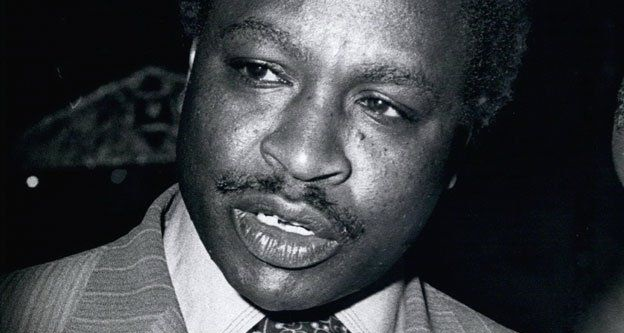
When JM Kariuki warned in the early 1970s that “Kenya is becoming a nation of ten millionaires and ten million beggars,” he was not simply speaking about poverty. He was describing a structural imbalance — a society where the benefits of economic progress were captured by a small elite, leaving the majority struggling on the margins. Nearly fifty years after his assassination, Kariuki’s warning remains strikingly relevant. In 2025, Kenya continues to record economic expansion, yet inequality and hardship persist at levels that make his words echo with renewed force.
Economic Growth That Leaves Too Many Behind
Kenya’s economy has shown resilience in recent years. Growth has been supported by improvements in agriculture, technology, regional trade, infrastructure investment, and a dynamic services sector. Yet the reality for many households does not mirror these macroeconomic gains. Food and fuel price shocks, unemployment — especially among youth — and the rising cost of living have placed pressure on ordinary Kenyans. For a large share of the population, incomes have not kept up with rising expenses.
This disconnect between national growth and household well-being is exactly the gap Kariuki warned about. His metaphor of “millionaires and beggars” captures the fear that prosperity would accumulate at the top while the majority struggle to meet basic needs. In 2025, the persistence of informal employment, unequal access to opportunities, and limited social protection systems means that economic growth does not automatically translate into shared prosperity.
Persistent Inequality: A Structural Challenge
Kenya’s inequality is shaped by several long-standing factors:
1. Geographic disparities
Counties with historically marginalized communities continue to face limited access to healthcare, markets, quality education, and stable employment. Urban centers like Nairobi, Kisumu, and Mombasa attract investment and services, while rural and arid regions often lag behind.
2. Wealth and income concentration
Opportunities for wealth creation — land ownership, capital investment, credit access — remain concentrated in the hands of a relatively small segment of the population. Kariuki’s warning about “10 millionaires” speaks directly to this pattern: economic power tends to reproduce itself unless deliberate equalizing policies are put in place.
3. Youth unemployment and inequality of opportunity
Millions of young people, despite being educated, struggle to find stable work or start businesses due to high barriers to entry. Without inclusive job creation, this generation faces the same inequality Kariuki spoke against.
4. Cost of living pressures
Urban and peri-urban families face rising food, rent, and transport costs. Even households above the poverty line remain vulnerable to falling back into poverty — a sign of structural fragility.
Taken together, these inequalities form a picture disturbingly close to the one Kariuki painted decades ago: a nation whose economic successes are not evenly distributed.
Why JM Kariuki’s Message Matters in 2025
JM Kariuki was not only warning about poverty; he was warning about injustice. He criticized:
-
elite land grabbing
-
widening economic gaps
-
corruption and exclusion
-
policies that favored a small ruling class
His concern was that Kenya risked drifting into a society divided by extreme wealth and widespread poverty — a division that could weaken social cohesion and democratic stability.
In 2025, this message is still essential for three key reasons:
1. Growth does not automatically reduce poverty
Without targeted interventions, high-level economic growth often benefits those already well-positioned to take advantage of it.
2. Inequality slows long-term development
A country cannot sustain prosperity if large portions of its population lack access to education, healthcare, and economic opportunity.
3. Social frustration is rising
Public conversations — especially among youth — frequently reflect frustration with economic exclusion, unemployment, and corruption. These concerns mirror the very injustices Kariuki fought against.
Thus, integrating Kariuki’s quote into the 2025 context is not just historically meaningful — it is analytically accurate.
Inclusive Policies: A Path Toward Kariuki’s Vision
To prevent the “millionaires versus beggars” divide from widening, Kenya needs to deepen its commitment to inclusive development. Key priorities include:
1. Strengthening social protection
Cash transfers, targeted subsidies, and safety nets can cushion vulnerable households and prevent families from sliding deeper into poverty during economic shocks.
2. Expanding equitable access to public services
Investing in health, education, and local infrastructure ensures that marginalized counties and communities benefit from national growth.
3. Supporting small businesses and the informal sector
With most Kenyans employed outside the formal sector, inclusive growth must support micro-enterprises, access to credit, and skills development.
4. Transparent and fair fiscal policy
A tax system that prioritizes fairness and efficient use of public funds ensures that revenue reaches essential services rather than being lost through waste or corruption.
5. Youth-centered economic opportunities
Strengthening technical training, innovation hubs, and job-creation programs can harness the potential of Kenya’s young population.
These are not simply technocratic ideas — they are moral imperatives. They speak directly to Kariuki’s hopeful vision of a country where prosperity is shared, justice is upheld, and leadership works for all.
Conclusion: Kariuki’s Voice Still Echoes in 2025
JM Kariuki’s famous warning continues to resonate because it describes more than a moment in time; it describes a pattern Kenya has struggled to overcome. In 2025, the country stands at a crossroads. Growth is real — but so is inequality. Opportunity exists — but so does exclusion. Hope persists — but so does frustration.
The challenge is to ensure that Kenya’s future does not follow the path Kariuki feared. His words are not simply a historical quote; they are a call to design policies that make growth meaningful for every Kenyan.
If Kenya answers that call, then JM Kariuki’s legacy will not be only a reminder of past injustices — but a guide toward a more just, inclusive, and prosperous nation.





No comments yet — be the first to join the discussion!