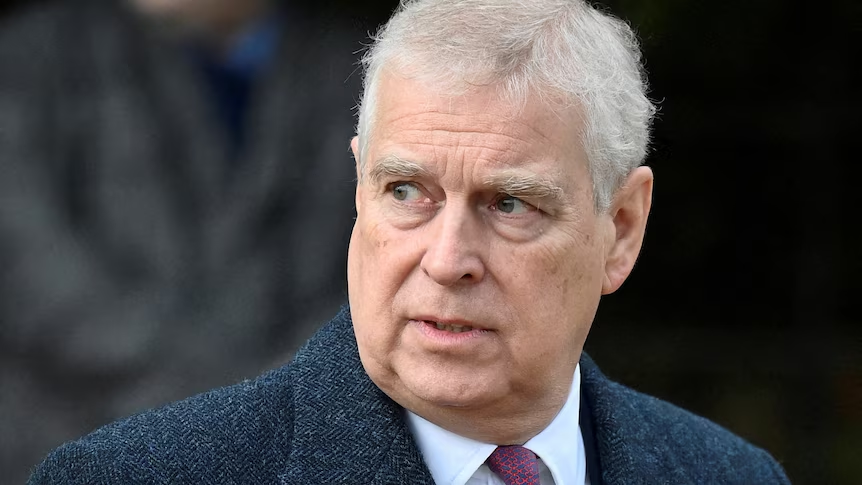
Pressure on Prince Andrew over his long-scrutinized ties to Jeffrey Epstein has reached a new peak, culminating in Buckingham Palace announcing on 17 October 2025 that the Duke would no longer use any royal titles, honors, or styles. The Palace confirmed that Andrew had agreed to relinquish the title Duke of York as well as senior royal honors such as the Order of the Garter and the Royal Victorian Order.
According to the Palace, the decision followed extended discussions between Andrew and King Charles III and reflected “a mutual commitment to protect the integrity and reputation of the monarchy.”
In brief public remarks, Prince Andrew said the continuing allegations surrounding Epstein’s trafficking network had become “a distraction” for both himself and the royal family. He reiterated his intention to prioritize his family’s well-being and the Crown—echoing his earlier withdrawal from public duties.
However, media reports indicate that behind-the-scenes pressure has intensified in recent months as legal challenges, survivor statements, and public scrutiny continued to mount. Several outlets have referenced newly surfaced correspondence connected to ongoing civil actions, suggesting tensions within Andrew’s private dealings. Buckingham Palace has declined to comment on these reports.
Titles Formally Removed
In November 2025, the situation escalated further when King Charles III signed formal Letters Patent removing all remaining royal styles from Andrew, including the honorific His Royal Highness. The documents also confirmed his removal from the line of succession—an unprecedented step in modern royal history.
Prince Andrew will now be known simply as Andrew Mountbatten-Windsor, a shift royal historians describe as one of the most significant demotions of a senior royal in decades.
Loss of Royal Lodge and Relocation
Buckingham Palace further announced that Andrew will surrender his lease on the Royal Lodge at Windsor, relocating to privately arranged accommodation outside the royal estate. Palace officials said the decision was “in line with the broader restructuring of official royal responsibilities,” emphasizing that Andrew continues to deny all misconduct allegations.
The developments have triggered renewed debate over transparency and accountability within the monarchy. Critics—including advocacy groups and survivor organizations—argue that relinquishing titles does not go far enough, calling for the release of all relevant information pertaining to what the Palace knew about Epstein’s activities and Andrew’s associations.
A Historic Turning Point
Prince Andrew’s removal from his titles marks one of the most consequential moments for the British monarchy in the 21st century. It reflects both the internal pressures facing the royal family and the external calls for justice and institutional reform amid modern public scrutiny.
While Andrew’s official role within the monarchy has now effectively ended, the broader controversy shows no sign of fading. Ongoing legal proceedings and public demands for greater transparency ensure that the fallout from his association with Epstein will continue to shape the royal family’s image for years to come.
No comments yet — be the first to join the discussion!