The 2010 Constitution of Kenya marked a watershed moment in the country’s history, ending decades of centralized power, ethnic conflicts, and governance challenges. The referendum held on August 4, 2010, saw a decisive public endorsement of the new constitutional framework aimed at promoting democracy, devolution of power, human rights, and national unity. With a voter turnout of about 72% and approximately 69% voting in favor, Kenyans gave a clear mandate for transformative change from the previous 47-year-old system.
The significance of the 2010 Constitution lies in its promise of a more equitable Kenya, redefining governance by creating devolved county governments, establishing enhanced checks and balances, an independent judiciary, and stronger protection of civil liberties. It addressed long-standing issues like land injustices and political exclusion, factors that fueled violence notably during the 2007 post-election crisis. The constitution’s promulgation on August 27, 2010, was celebrated as a new dawn by Kenyans and the international community alike, hailed as a beacon of lasting peace and inclusive governance.
Opposition primarily emerged from political figures and groups entrenched in older power structures and regional interests. Higher Education Minister William Ruto led the main “No” campaign, together with influences from former President Daniel arap Moi, whose Rift Valley stronghold largely rejected the draft constitution. Their arguments focused on fears of losing centralized control, perceived threats to land rights, and concerns about the new system’s implementation challenges. Despite this, the majority—including leaders in diverse regions—supported the constitution for its promise to transform Kenya’s governance landscape.
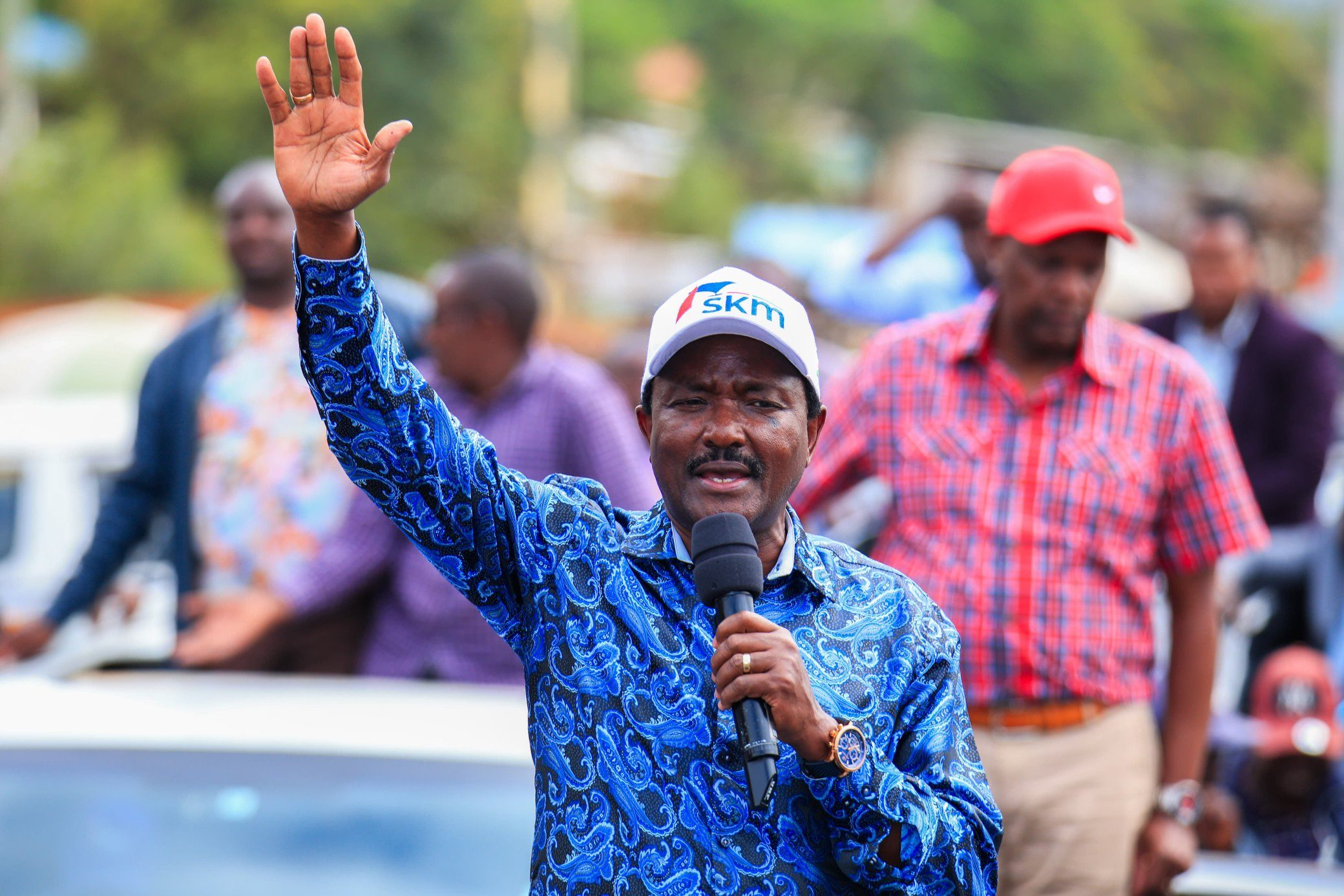
Kalonzo Musyoka is respected as the “sixth” leader to uphold the legacy of Mwai Kibaki and the 2010 Constitution, having played an instrumental role during its enactment. Serving as Vice President under Kibaki, Kalonzo was a principal advocate for the new constitutional order. His leadership during Kenya’s transitional period and steadfast commitment to constitutionalism, national unity, and peace uniquely position him to carry forward these founding principles. With evolving political dynamics and the void left by leaders such as Raila Odinga, Kalonzo emerges as a steady custodian of this transformative legacy, committed to safeguarding justice, equity, and devolved governance that the constitution promises.
In conclusion, the 2010 Constitution referendum was a landmark event realigning Kenya’s governance with the people’s aspirations for democracy and inclusion. While opposition raised important concerns, overwhelming support reflected a collective desire for change. Kalonzo Musyoka’s respected political career and unwavering commitment to the constitutional order secure his crucial role as a leader to champion and preserve this enduring legacy in Kenya’s ongoing political journey.




No comments yet — be the first to join the discussion!