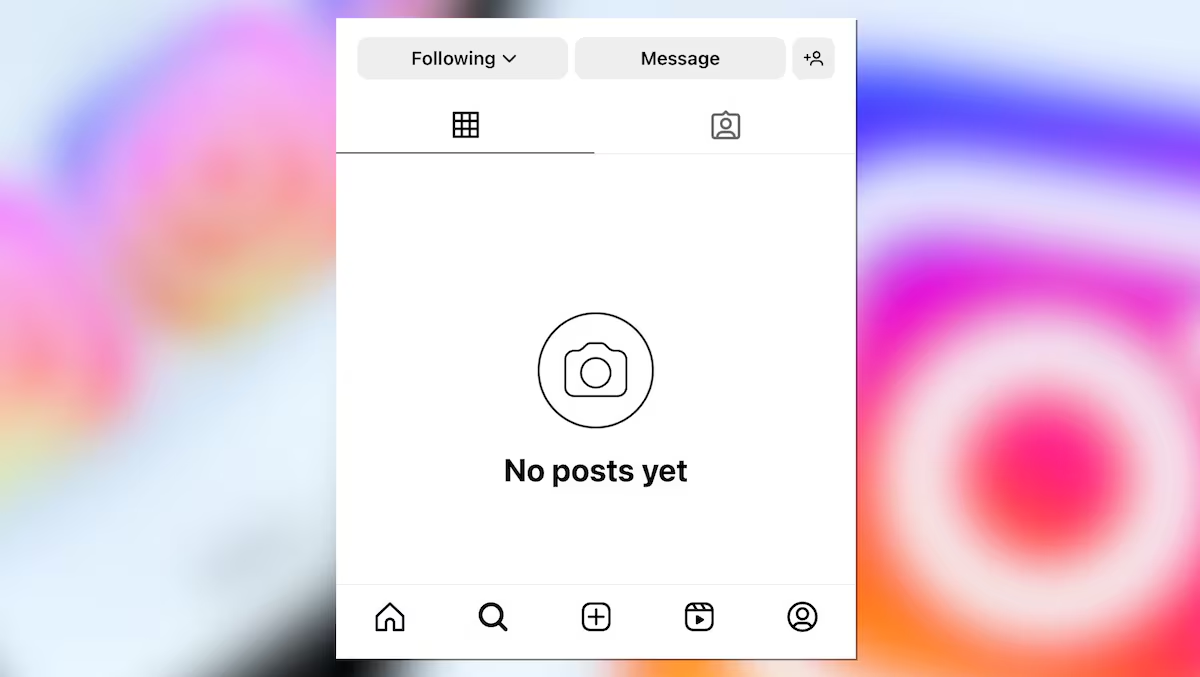
A growing number of social media users—especially Gen Z—are posting less often, sometimes not at all. This trend, known as “Posting Zero,” reflects a broader cultural shift in how people engage with digital platforms today. While users haven’t abandoned social media entirely, they are increasingly retreating from public feeds in favor of quieter, more private digital spaces. Here’s what’s driving the change:
1. Algorithm Shifts Are Drowning Out Normal Users
Platforms like Instagram, TikTok, and Facebook now prioritize viral, visually polished, or interest-based content over updates from friends and family. This shift toward “entertainment-first” algorithms means:
- Regular users’ posts get far less visibility
- Content creators and influencers dominate feeds
- Posts from people you actually know get buried under ads and trending clips
This makes personal posting feel pointless—why share if almost no one sees it?
2. The Rise of “Pay-to-Play” Models
Most major platforms have adopted monetization strategies that emphasize advertising, creator promotions, and paid reach. As a result:
- Organic reach has plummeted
- Even creators feel pressured to boost their content with ads
- Everyday users are discouraged from posting because visibility is artificially limited
Social media has essentially become a marketplace rather than a community space.
3. Users Prefer Consuming Over Sharing
Social habits have changed dramatically. Many users no longer view social media as a place to share their life, but rather a place to watch others. Short-form, highly edited content has normalized:
- Consumption without participation
- The idea that content must be polished or “viral-worthy”
- Passive scrolling instead of active engagement
Posting personal updates now feels outdated—or too vulnerable—in an environment built for performance rather than connection.
4. Private Messaging Spaces Have Become the New “Social Media”
Apps like WhatsApp, Discord, Telegram, Messenger, and Snapchat have replaced public feeds as the main spaces for real social life. These platforms offer:
- Small-group interactions
- Greater control over who sees what
- Less pressure for aesthetic perfection
- More authentic conversations
Instead of posting a photo publicly, users now drop it in a private group chat where they feel safer and more understood.
5. Content Overload Is Pushing Users to Disengage
Social media saturation—ads, influencers, misinformation, endless scrolling—has led many people to consciously step back to protect their mental well-being. Common motivations include:
- Avoiding comparison culture
- Reducing digital noise and stress
- Escaping algorithm-driven rabbit holes
- Preserving privacy
Posting less becomes a form of digital self-defense.
6. Cultural Shifts Are Changing What “Sharing” Means
Younger generations increasingly see public posting as:
- Cringe
- A privacy risk
- Potentially weaponizable (screenshots, reposts, ridicule)
- Unnecessary in an era where offline and small-circle interactions hold more value
Meanwhile, older generations report burnout and fatigue with constantly updating their lives online.
Together, these factors contribute to a dramatic decline in public sharing, even as users remain active behind the scenes.
7. “Posting Zero” Reflects a Larger Transformation in Internet Culture
Global surveys and digital behavior studies show that users want:
- More intimacy, less performance
- More privacy, less exposure
- More connection, less algorithmic manipulation
- More authenticity, less pressure to curate a perfect life
This shift isn’t just about disengagement—it’s about people redefining how they want to exist online.
The Bottom Line
“Posting Zero” doesn’t mean people are abandoning social media. Instead, they’re changing how they use it:
- Moving from public to private spaces
- Favoring consumption over creation
- Protecting privacy and mental health
- Rejecting algorithm-controlled visibility
- Reclaiming digital life from corporate-driven trends
This evolution marks one of the most significant cultural transformations in the history of online communication.





No comments yet — be the first to join the discussion!