Major Changes in the Tax Bill
Kenya’s proposed Finance Bill for 2025 introduced significant tax hikes and new levies aimed at addressing the country's high public debt and budget deficit. Among the notable changes were new taxes on everyday goods, including a tax on bread and increased VAT on basic food items, which directly affect households. The bill also proposed a motor vehicle circulation tax, calculated annually as a percentage of a vehicle’s value, and an “eco-levy” targeting plastics and packaging to encourage environmental responsibility. Financial transactions and services faced increased taxes as well.
The government justified these measures by aiming to raise approximately US $2.7 billion (around KSh 350+ billion) to meet International Monetary Fund conditions and stabilize the economy.
Public Outcry and Protests
Ordinary Kenyans quickly voiced opposition, arguing these taxes would worsen the already high cost of living amid inflation and unemployment. Many felt the tax burden unfairly targeted low- and middle-income households, especially since basic goods were included. The consultation process was criticized as inadequate, with public benefits unclear or perceived as favoring elites.
Protests erupted nationwide, fueled by active youth movements and social media campaigns. The police response was harsh, involving live ammunition, tear gas, and arrests—tactics which intensified public anger and widened protests across multiple regions.
Economic Consequences and Uncertainty
Had the bill passed fully, consumer and business tax burdens would increase, potentially reducing demand, raising production and transport costs, and deterring investment. The withdrawal or delay of such proposals creates a revenue shortfall for the Treasury, forcing the government to either cut spending, increase borrowing, or rethink tax strategies.
The ensuing unrest and debate affected investor confidence and disrupted economic planning. The social costs—damage, security expenditures, and lost opportunities—added to the financial strain.
Government Response and Bill Withdrawal
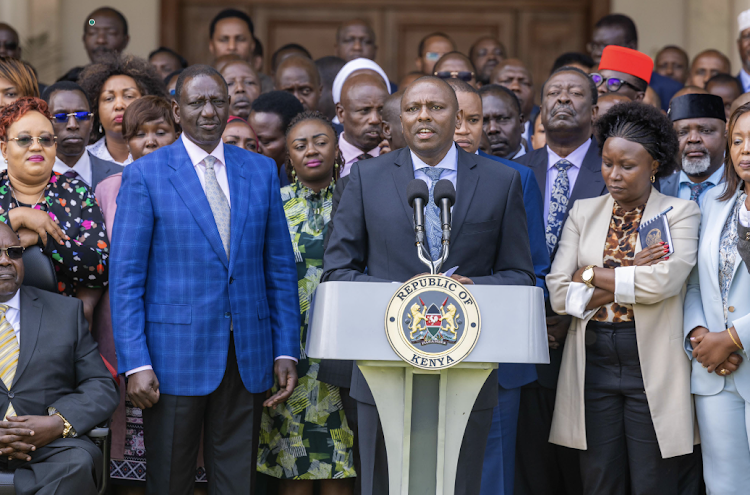
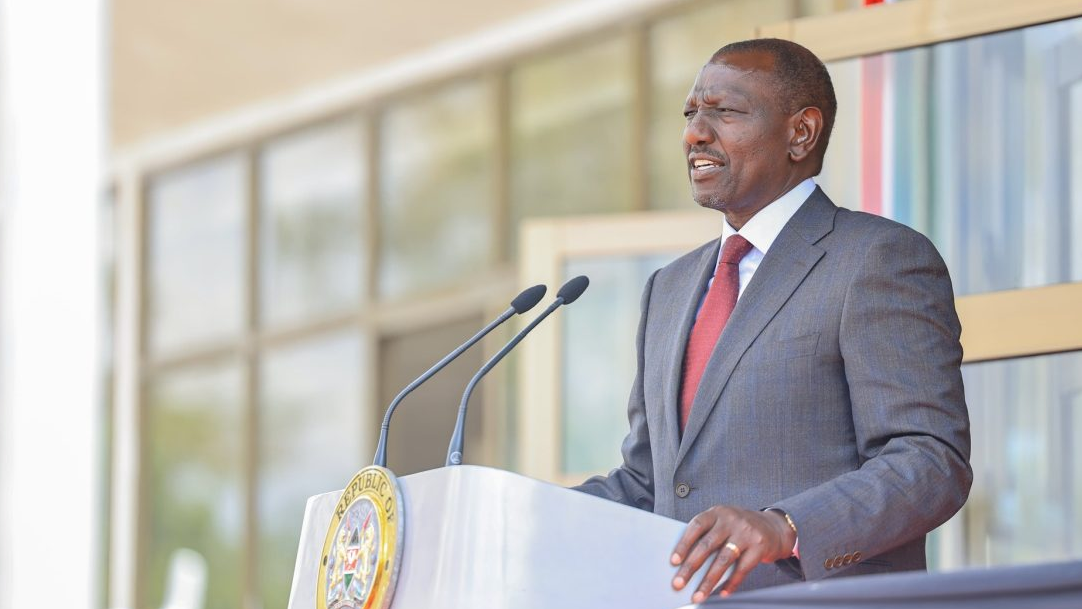
Facing mounting pressure and violent protests, President Ruto announced the bill would not be signed in its current form and promised its withdrawal. Parliament recorded over 200 votes in favor and 115 against during the Second Reading. Subsequent government actions included dialogues with civil society and youth groups, austerity measures such as budget cuts to State House, and suggested tax reform revisions.
Human rights bodies, including the Kenya National Commission on Human Rights, condemned the security crackdown that resulted in dozens of deaths and hundreds injured, urging accountability.
Votes and Victims
A significant number of MPs voted “YES” supporting the bill, including Hon. Samuel Chepkonga (Ainabokoi) and many others across counties.
The Finance Bill 2024 was passed with 204 Members of Parliament voting "YES" and 115 voting against it. Below is a comprehensive list of some MPs who voted "YES" for the Finance Bill 2024 as per verified sources. Note this is a partial list but includes many key MPs across various counties:
-
Hon. Samuel Chepkonga (Ainabokoi)
-
Hon. Benjamin Kipkirui (Ainamoi)
-
Hon. Marianne Kitany (Aldai)
-
Hon. Florence Jematia (Baringo County)
-
Hon. Joshua Kandie (Baringo Central)
-
Hon. Kipkoros Makilap (Baringo North)
-
Hon. Charles Kamuren (Baringo South)
-
Hon. Koech Nelson (Belgut)
-
Hon. Alpha Miruka (Bomachoge Chache)
-
Hon. Linet Chepkorir (Bomet County)
-
Hon. Richard Cheruiyot (Bomet Central)
-
Hon. Yegon Richard (Bomet East)
-
Hon. Gideon Ochanda (Bondo)
-
Hon. Catherine Wambilianga (Bungoma County)
-
Hon. Komingoi Kibet (Bureti)
-
Hon. Rindikiri Mugambi (Buuri)
-
Hon. Kirima Nguchine (Central Imenti)
-
Hon. Victor Koech (Chepalungu)
-
Hon. Byego Paul Kibichii (Chesumei)
-
Hon. Patrick Ntwiga (Chuka-Igambang’ombe)
-
Hon. Farah Maalim (Dadaab)
-
Hon. John Kiarie (Dagoretti South)
-
Hon. Musa Sirma (Eldama Ravine)
-
Hon. Adan Keynan (Eldas)
-
Hon. Jeptoo Caroline Ngelechei (Kipkelion East)
-
Hon. Omboko Milemba (Gucha)
-
Hon. Johana Ngeno (Serikal)
-
Hon. Robert Pukose (Endebess)
-
Hon. Yakub Farah (Kamukunji)
-
Hon. Tungule Charo Kazungu (Kaiti)
-
Hon. Robert Gichimu (Kandara)
-
Hon. Martha Wangari (Mathioya)
-
Hon. Gimose Gumini (Pokot South)
-
Hon. Julius Taitumu (Kipkosom)
-
Hon. John Paul Mwirigi (Igembe North)
-
Hon. Ali Abdi Ali (Wajir East)
-
Hon. Bernard Shinali (Kapenguria)
-
Hon. Mumina Bonaya (Msambweni)
-
Hon. Leah Sankaire (Marakwet West)
-
Hon. Memusi Kanchory (Mandera East)
-
Hon. Onesmus Ngogoyo (Matayos)
-
Hon. Sunkuiya George (Lugari)
-
Hon. Beatrice Kemei (Emurua Dikirr)
-
Hon. Julius Ruto (Tinderet)
-
Hon. Christopher Aseka (Kombewa)
-
Hon. John Kawanjiku (Kipipiri)
-
Hon. Waithaka John (Kikuyu)
-
Hon. Wamuratha Wanjiku (Yatta)
-
Hon. Kwenya Thuku (Mitunguu)
-
Hon. Wanjiku Muhia (Mukurweini)
-
Hon. Cherorot Joseph (Sigowet-Soin)
-
Hon. Hillary Kosgei (Sibuoh)
-
Hon. Joseph Gitari (Runyenjes)
-
Hon. Bedzimba Rashid (Bura)
-
Hon. Alfred Mutai (Tinderet)
-
Hon. Joseph Tonui (Keiyo North)
-
Hon. Mathias Robi (Wundanyi)
-
Hon. Ruweida Obo (Msambweni)
-
Hon. Stanley Muthama (Kangundo)
-
Hon. Kareke Mbiuki (Maara)
-
Hon. Caleb Mule (Lugari)
-
Hon. Elizabeth Kailemia (Kieni)
-
Hon. Kiborek Reuben (Kapenguria)
-
Hon. Bartoo Phyllis (Narok North)
-
Hon. Kuria Kimani (Muhoroni)
-
Hon. Abraham Kirwa (Mois Bridge)
-
Hon. Feisal Bader (Mandera West)
-
Hon. Liza Chelule (Eldama Ravine)
-
Hon. David Gikaria (Maara)
-
Hon. Samuel Arama (Turkana Central)
-
Hon. Cynthia Muge (Kilifi North)
-
Hon. Aramat Lemanken (Narok East)
-
Hon. Gabriel Tongoyo (Narok West)
-
Hon. Emmanuel Wangwe (Kimilili)
-
Hon. George Gachagua (Mathira)
-
Hon. GK Kariuki (Laikipia West)
-
Hon. Charity Kathambi (Embu East)
-
Hon. Guyo Adhe (Mandera East)
-
Hon. Rahim Dawood (Mombasa)
-
Hon. Joash Nyamoko (Chepalungu)
-
Hon. Jerusha Momanyi (Nakuru Town East)
-
Hon. Faith Gitau (Kieni)
-
Hon. Kiaraho David (Garissa Township)
-
Hon. Michael Wainaina (Kahawa West)
-
Hon. David Pkosing (Tiaty)
-
Hon. Dido Rasso (Turkana East)
-
Hon. Pauline Lenguris (Laisamis)
-
Hon. Lekumontare Jackson (Igembe South)
-
Hon. Letipila Dominic (Turkana West)
-
Hon. Fredrick Ikana (Kilifi South)
-
Hon. Amina Dika (Mvita)
-
Hon. Bare Hussein Abdi (Nyali)
-
Hon. John Bwire (Kilome)
-
Hon. Mary Emaase (Nambale)
-
Hon. George Murugara (Mathira)
This list is based on parliamentary records and verified news reports, although the full 204 MPs who voted "YES" have not all been publicly listed in a single source. The names above represent a significant portion of the supporting MPs.
Hon. Racheal Nyamai, Kitui South Member of Parliament, voted "YES" for the Finance Bill 2024. She has publicly defended her support for the bill, attributing the protests against it, especially those led by young Kenyans on social media platforms like TikTok, to the desire for online attention rather than genuine grievances. During parliamentary debates, she emphasized her stance in favor of the bill and shared personal acts of support, such as paying school fees for a girl as part of her contribution to youth development. Her position has drawn both support and criticism amid the nationwide discourse on the Finance Bill 2024
The protests led to 39 reported deaths and 361 injuries between June and July 2024, with cases of enforced disappearances and over 627 arrests documented.
-
According to the Kenya National Commission on Human Rights (KNCHR), 39 people had died and 361 injured in relation to the protests as of 1 July 2024.
-
The deaths were distributed across multiple counties: Nairobi (17), Uasin Gishu (4), Nakuru (3), Mombasa (3), and others with one or two fatalities each in Laikipia, Narok, Kajiado, Kakamega, Kisumu, Kisii, Siaya, Kiambu, Nandi.
-
A media source provided some names of individuals confirmed dead: Abdi Kadir, Rex Kanyike, Evans Kiratu, Eric Shieni, David Chege, Beasley Kamau, Ibrahim Kamau, Kennedy Onyango.
A committee was established to investigate and provide compensation for victims, although many remain uncompensated, raising further concerns over justice and accountability.
Presidential Controversy Over Protest Policing
President Ruto faced criticism after stating he would “not be sorry” for ordering police to “shoot protesters in the legs” to enforce law and order. Critics argue this directive risks excessive force and violates the constitutional right to peaceful assembly under Article 37. The use of force is meant to be necessary, proportionate, and regulated by legislation and oversight.
Moving Forward: Recommendations
To restore trust and stability, several steps are crucial:
-
Conduct independent investigations into protest-related casualties and abuses, ensuring accountability and compensation.
-
Reform tax legislation processes to include meaningful public input, clarify impacts, and protect vulnerable groups.
-
Demonstrate transparency in how tax revenues improve public services to justify compliance.
-
Strengthen police oversight, emphasizing constitutional rights and non-lethal crowd control methods.
-
Enhance political accountability, enabling constituents to hold elected officials to account for their tax votes.
-
Use this episode as a chance to rebuild the social contract between government and citizens, aligning tax policy with living standards and service delivery.

No comments yet — be the first to join the discussion!